


California’s San Joaquin Valley produces an enormous share of the nation’s fruits, nuts and vegetables. But it takes an unsustainable amount of groundwater to do it. New state rules aimed at reducing groundwater use are expected to force up to 20 percent of the valley’s irrigated fields out of production – a blow to farmers and communities.
Now, UC Davis research shows those lands could remain viable if farmers plant winter grain crops. When managed properly, small grains such as wheat, triticale, barley, oats and rye can grow during the cool season with little irrigation, relying mostly on seasonal rain. The strategy would help farmers keep land productive even during dry winters, without threatening groundwater supplies.
Five years of study also show winter grains may help recharge depleted groundwater, even better than taking the land out of production. The research was part of a new report by the Public Policy Institute of California, or PPIC, which examines how farmers can comply with California’s Sustainable Groundwater Management Act.
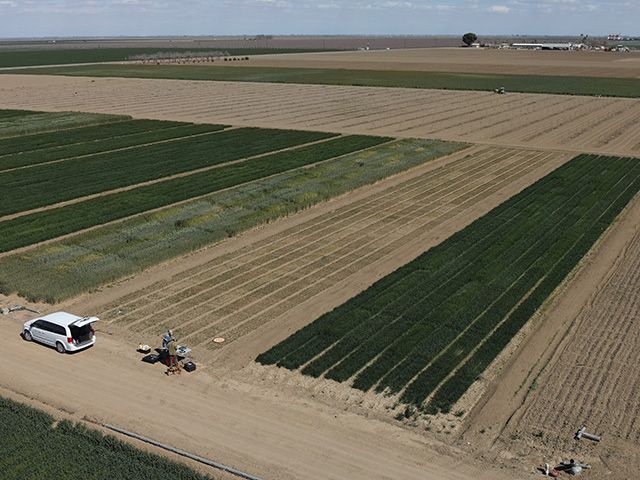
“We really drilled down into the water use of the winter crops and how that compares to the fallow system,” said Mark Lundy, an associate professor of Cooperative Extension in the Department of Plant Sciences and a co-author on the report. “There’s not been that direct comparison made very frequently or rigorously.”
Small grains can be planted in the fall when it’s cool. They need minimal irrigation to get started, then winter rains take over. If rain is plentiful, farmers can harvest and sell the grain. If not, they can harvest early for animal feed and sell it to nearby dairy and beef operations. During drought, grains offer all the benefits of a winter cover crop, with minimal investment.
Over several years, Lundy’s team and others in the department found that winter crops use only slightly more water than fallow land. More importantly, while fallowing land does reduce demand on groundwater, it doesn’t actually recharge it – a common misperception among farmers and regulators. Instead, most rainfall is lost to evaporation. In addition, fallowed fields create more dust, attract more pests and weeds, and trap more heat than fields planted with winter crops.
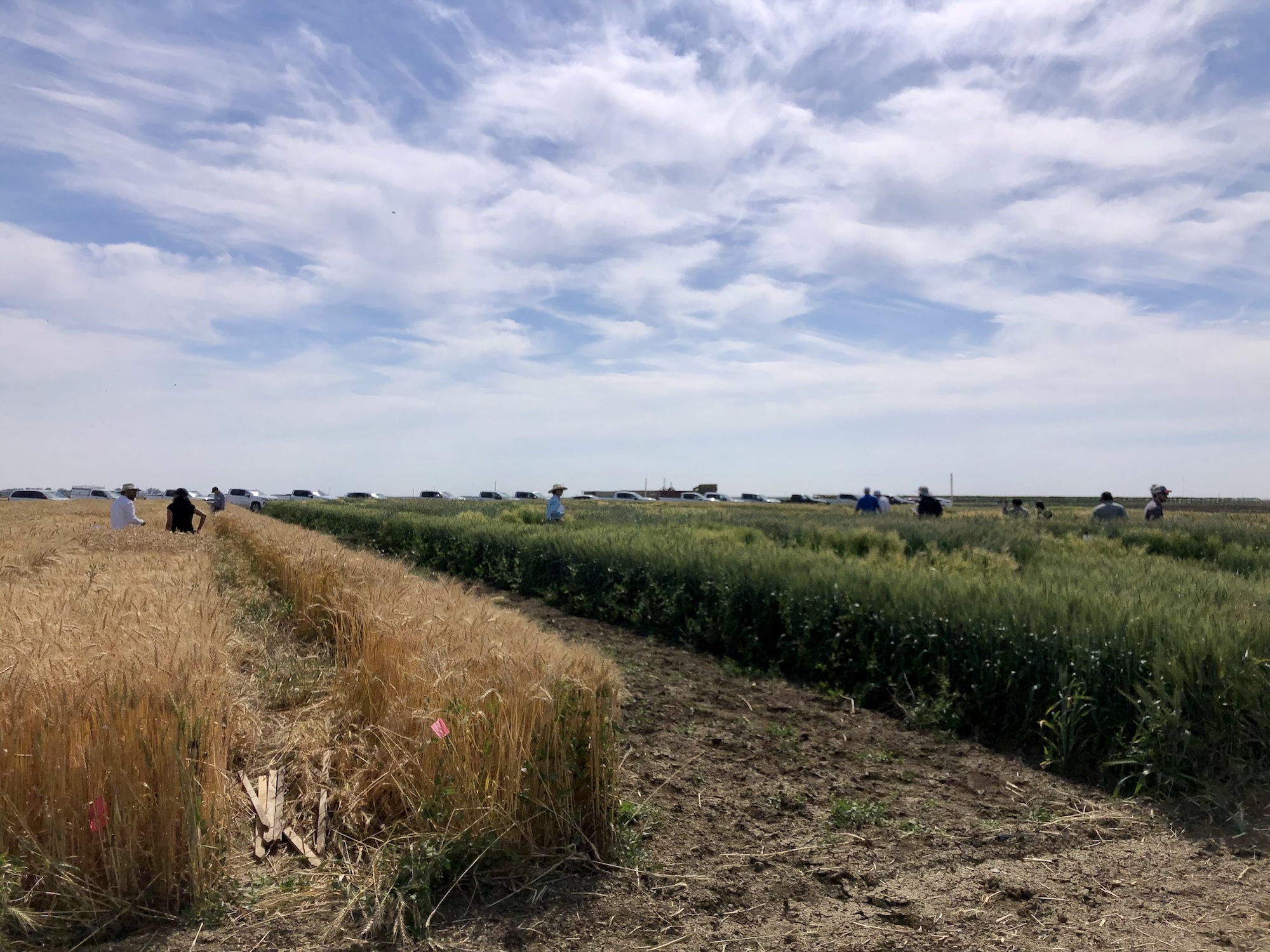
Winter crops could even help recharge depleted aquifers in wet years. The plants shade the soil and block wind and allow more water to sink in than it would on bare fallow ground.
The PPIC report’s authors also called for state-funded incentives and guidance to help farmers make the switch.
“This is an area where many people could win without too much policy effort,” Lundy said.